
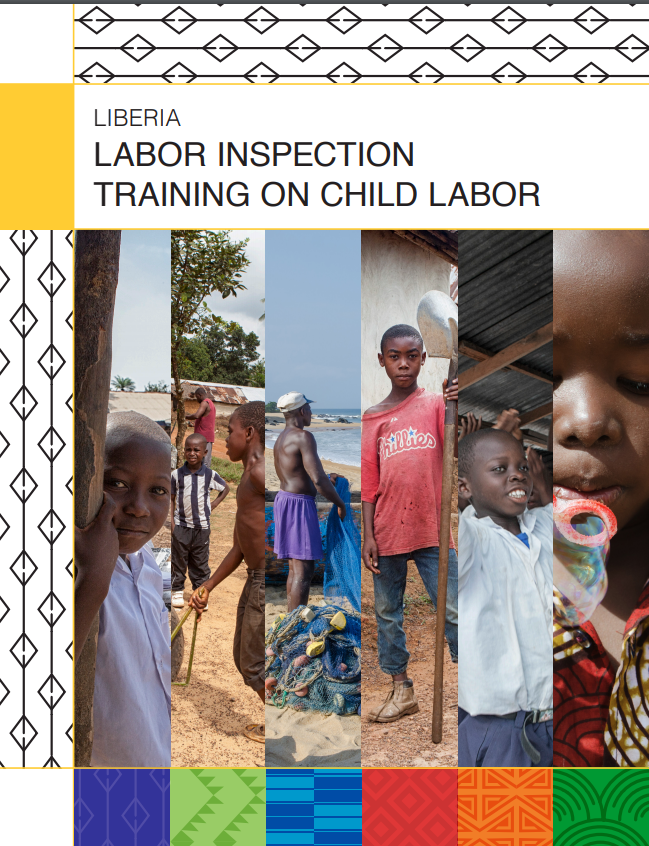
This facilitator’s guide provides tips and advice to help facilitators successfully use the curriculum for Labour Inspection Training on Child Labour in Liberia.

It describes the purpose and objectives of the training; provides an overview of the training structure and format; gives examples of icebreakers and energizers; and includes sample training agendas and course evaluations.

The curriculum is based on a training methodology that encourages participants to play an active role, contributing their professional expertise on how to improve the response to child labour in the workplace.

Labor Inspection Training on Child Labor - Liberia - Verité and Winrock International, 2018 DOWNLOAD

post

page

attachment

revision

nav_menu_item

custom_css

customize_changeset

oembed_cache

user_request

wp_block

wp_template

wp_template_part

wp_global_styles

wp_navigation

wp_font_family

wp_font_face

acf-taxonomy

acf-post-type

acf-field-group

acf-field

ai1ec_event

exactmetrics_note

OECD Due Diligence Guidance for Responsible Business Conduct
Guidance

Businesses can play a major role in contributing to economic, environmental and social progress, especially when they minimise the adverse impacts of their operations, supply chains and other business relationships. The OECD Guidelines for Multinatio...Read More

State Report Cards: Grading Criminal Record Relief Laws for Survivors of Human Trafficking
Guidance

Many survivors of human trafficking exploited in the commercial sex industry or other labour sectors have been arrested for offenses stemming from their victimization. Resulting criminal records – both arrest and court documents – then follow su...Read More

Measuring Disclosure Quality of Modern Slavery Statements: A SX300 Companies
Guidance

Modern slavery is a global phenomenon, with 40.3 million victims and $354 billion at-risk products imported by G20 countries in one year alone, according to estimates by the Walk Free Foundation (2018). Australia has historically been complicit in t...Read More

Handbook on Anti-Trafficking Data Collection in South-Eastern Europe: Developing Regional Criteria
Guidance

In recent years a number of improvements regarding policy development in combating trafficking in human beings have taken place in South-Eastern Europe. One of the main open issues in relation to the development and revision of national responses to...Read More