
Agriculture, Horticulture & Landscaping

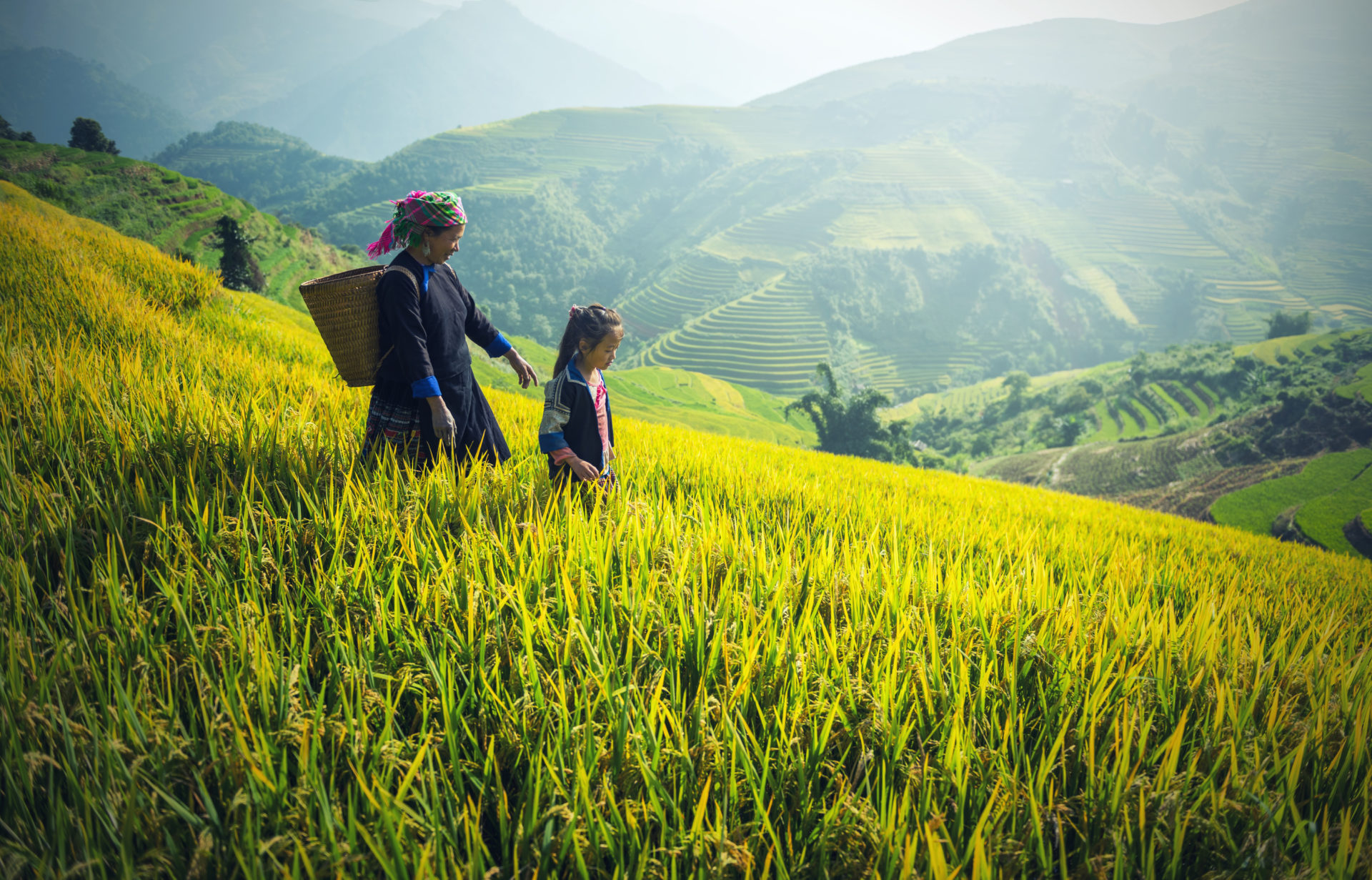
There are a number of potential touch points where human trafficking can occur in the agriculture and horticulture industry. First of all agricultural work is usually seasonal. Seasonal workers often lack workplace protections, including unemployment compensation and health insurance, as well as job security and stability. Farms and plantations usually cover vast areas and are not well-serviced by public transportation. Employees also usually live on the site which is why the workers can be exposed to labour exploitation even easier.

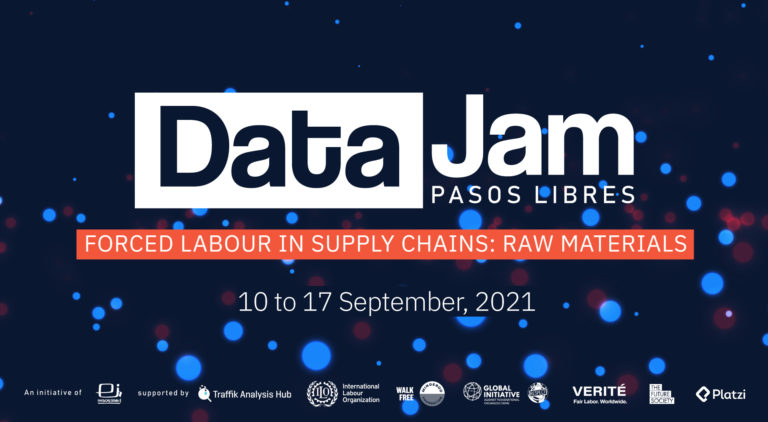
DataJam Pasos Libres Online 2021
News & AnalysisGuidancePublicationsEvents
12 August 2021

Pasos Libres, the Global Initiative against Transnational Organized Crime, the Responsible and Ethical Private Sector Coalition against Trafficking (RESPECT), the International Labour Organization (ILO) and partners invite you to participate in the DataJam Pasos Libres Online 2021, a technological innovation competition that seeks to develop data-based...

Recognising Lived Realities
Publications
01 December 2019

This briefing presents the findings of a project, led by University of Liverpool in partnership with FLEX and funded by the British Academy with the Department for International Development. The project assessed how transparency in supply chains for chocolate and...

Agents for change. How public procurers can influence labour conditions in global supply chains. Case studies from Brazil, Pakistan and Thailand
Publications
15 November 2016

The report focuses on the social aspects of supply chains and examines how contracting authorities in the EU can use social criteria to improve labour conditions in countries where poor labour standards are rife. The report draws on experiences and...

Green Carbon Black Trade
Publications
27 September 2012

The vast majority of deforestation and illegal logging takes place in the tropical forests of the Amazon basin, Central Africa and Southeast Asia. Recent studies into the extent of illegal log- ging estimate that illegal logging accounts for 50–90 per...

Corporate Social Responsibility Review: Risks of Child Labor on Select Coffee Farms in Nicaragua
Publications
01 December 2011

In Nicaragua, coffee is mainly produced on small-scale farms where temporary or seasonal work, weak remuneration, subcontracting, migrant workers, and child labor are likely to exist. In recent years, corporate social responsibility (CSR) activities have been encouraged to help improve...

“Slave Labour” in Brazil
Publications
19 October 2017

Case Study on rural “Slave Labour” in Brazil.

See all Publications