
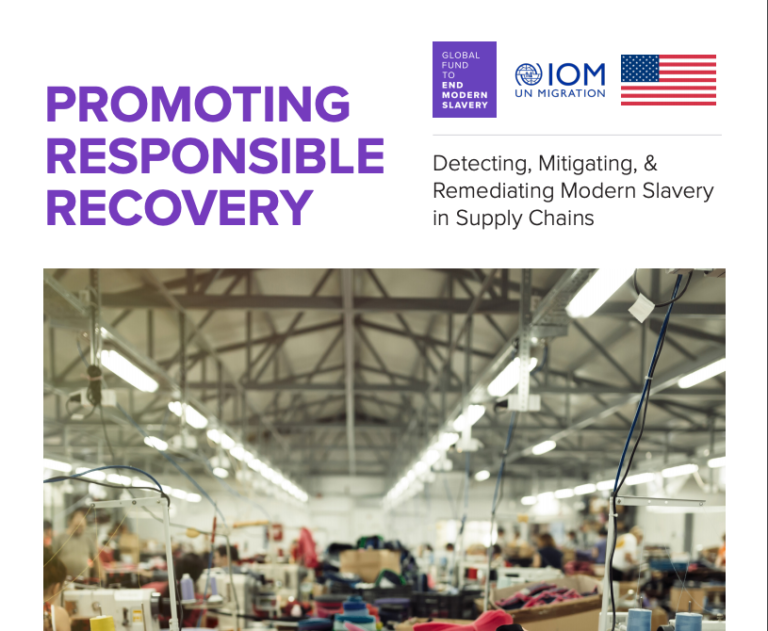
This briefing forms part of a broader five session series of
webinars standing to tackle contemporary issues impacting
modern slavery in supply chains, calling for candid discussion
and pragmatic solutions.

Global Fund To End Modern Slavery 2020 DOWNLOAD

post

page

attachment

revision

nav_menu_item

custom_css

customize_changeset

oembed_cache

user_request

wp_block

wp_template

wp_template_part

wp_global_styles

wp_navigation

wp_font_family

wp_font_face

acf-taxonomy

acf-post-type

acf-field-group

acf-field

ai1ec_event

exactmetrics_note

Using SAS® Text Analytics to Assess International Human Trafficking Patterns
Good PracticesPublications

By Tom Sabo, Adam Pilz, SAS Institute Inc. Abstract  The US Department of State (DOS) and other humanitarian agencies have a vested interest in assessing and preventing human trafficking in its many forms. A subdivision within the DOS releases pub...Read More

Supply Chain Risk Report: Child and forced labour in Canadian consumer products
Publications

The report looks at Canada’s connection to the issues of human trafficking and forced and child labour, by cross-referencing recent data on Canadian imports with the U.S. Department of Labour’s List of Goods Produced by Child Labour or Forced Lab...Read More

Risky Business: Tackling Exploitation in the UK Labour Market
Publications

This report sets out Focus on Labour Exploitation (FLEX)'s action plan for a UK response to exploitation in the labour market. It starts by identifying the picture of risk to individuals of exploitation in the UK labour market, then presents solution...Read More

TAGS: Europe
The Philippine Sex Workers Collective: Struggling to be Heard, not Saved
Publications

The Philippine Sex Workers Collective is an organisation of current and former sex workers who reject the criminalisation of sex work and the dominant portrayal of sex workers as victims. Based on interviews with leaders of the Collective and fifty...Read More

TAGS: Asia