

Beauty and a Beast: Child labour in India for sparkling cars and cosmetics
PublicationsThis report focuses on child labour in Jharkhand/Bihar for mica mining and processing, and the role of Dutch companies and main manufacturers of pearlescent
This report warns that global progress to end child labour has stalled for the first time in 20 years. The number of children aged 5 to 17 years in hazardous work – defined as work that is likely to harm their health, safety or morals – has risen by 6.5 million to 79 million since 2016. In sub-Saharan Africa, population growth, extreme poverty, and inadequate social protection measures have led to an additional 16.6 million children in child labour over the past four years. Additional economic shocks and school closures caused by COVID-19 mean that children already in child labour may be working longer hours or under worsening conditions, while many more may be forced into the worst forms of child labour due to job and income losses among vulnerable families. The report warns that globally 9 million additional children are at risk of being pushed into child labour by the end of 2022 as a result of the pandemic. Children in child labour are at risk of physical and mental harm. Child labour compromises children’s education, restricting their rights and limiting their future opportunities, and leads to vicious inter-generational cycles of poverty and child labour.
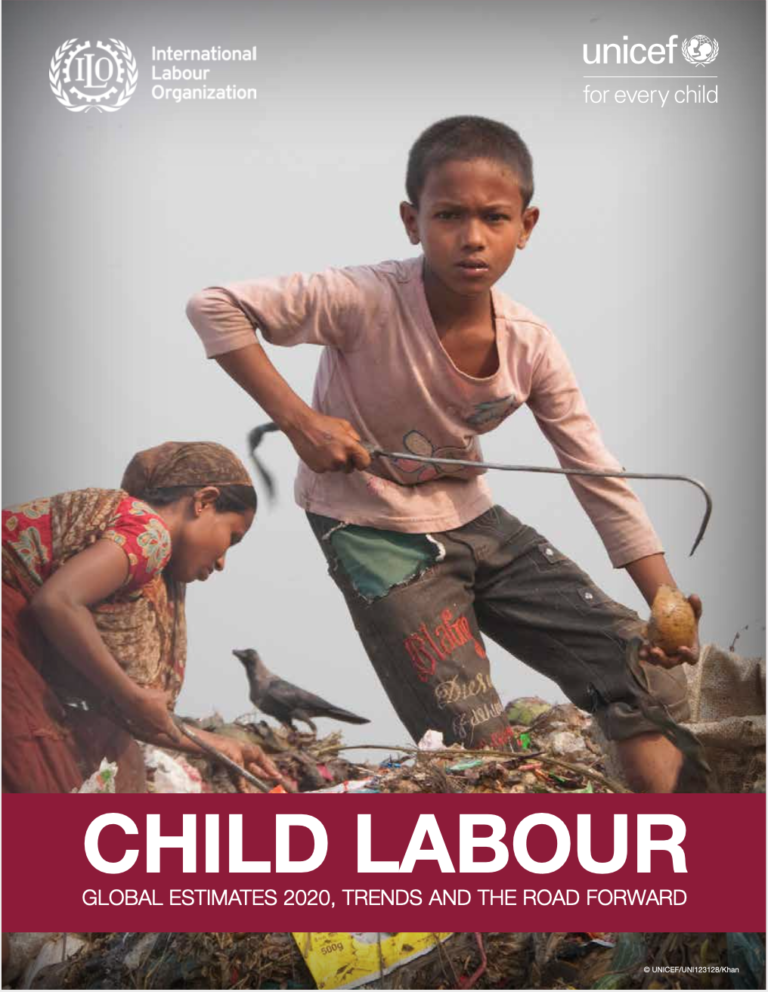
This report focuses on child labour in Jharkhand/Bihar for mica mining and processing, and the role of Dutch companies and main manufacturers of pearlescent
The new coronavirus (COVID-19) affects almost every area of people’s lives and economic activity and has led to a significant disruption of world trade. The current situation demonstrates how precarious our global systems of production and consump...Read More
This working paper, based on participatory research carried out with cleaners in the UK, highlights key workplace issues in the cleaning sector, and the risk and resilience factors that impact cleaners’ vulnerability to labour abuse and exploitati...Read More
The report by Human Rights Watch describes how migrant fishers from neighboring countries in Southeast Asia are often trafficked into fishing work, prevented from changing employers, not paid on time, and paid below the minimum wage. Migrant workers ...Read More


2025 © Copyright, RESPECT International. All Rights Reserved. Website Disclaimer | Privacy Policy