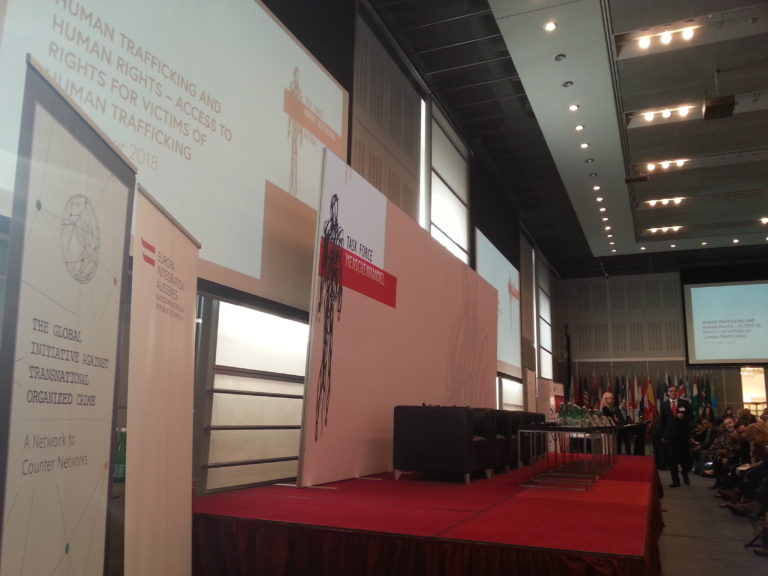
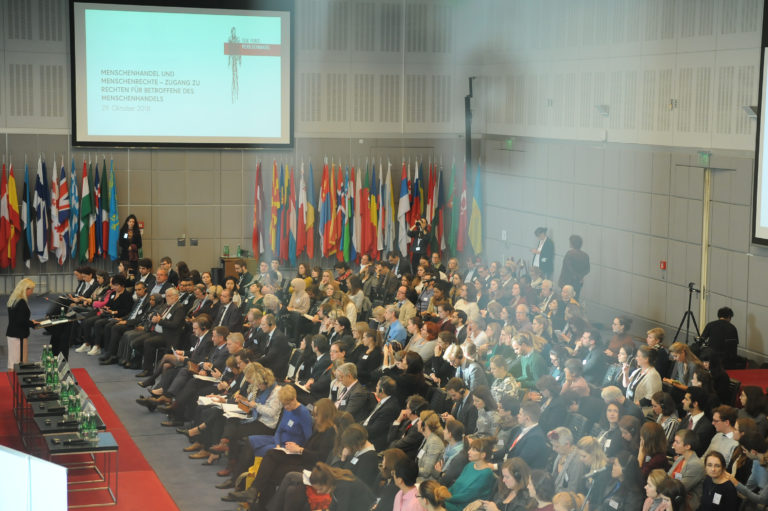
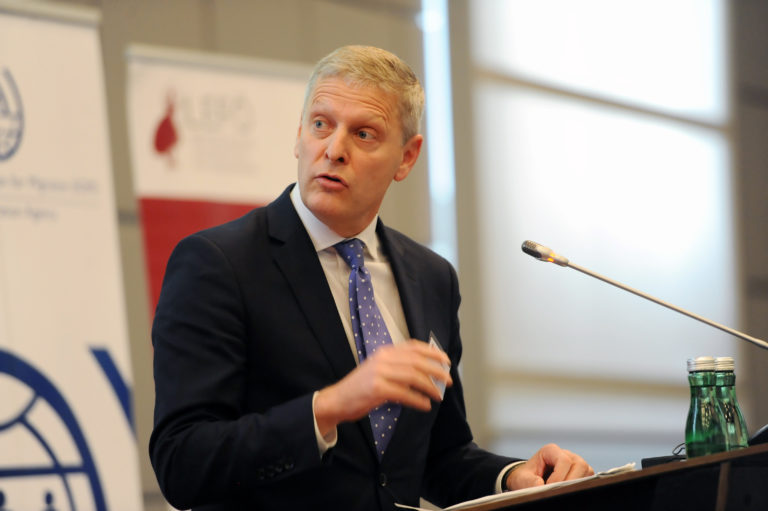
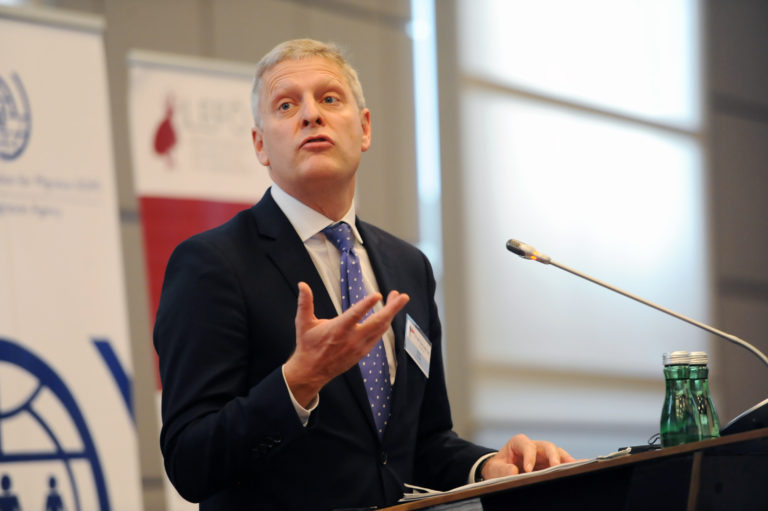
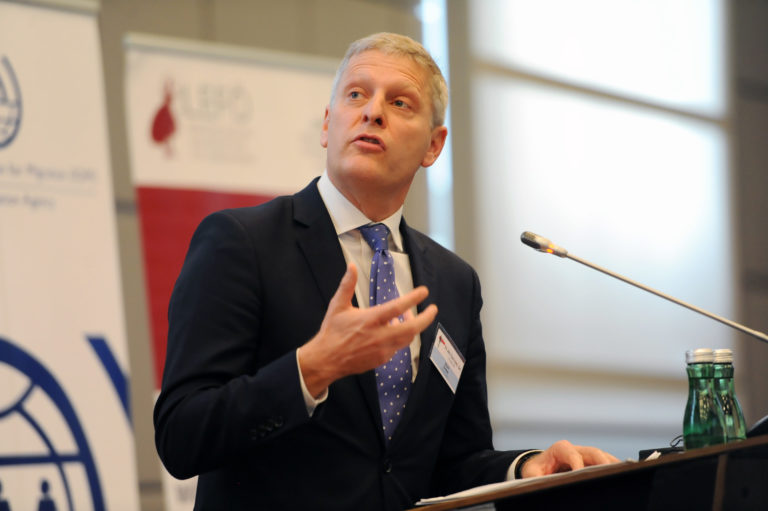
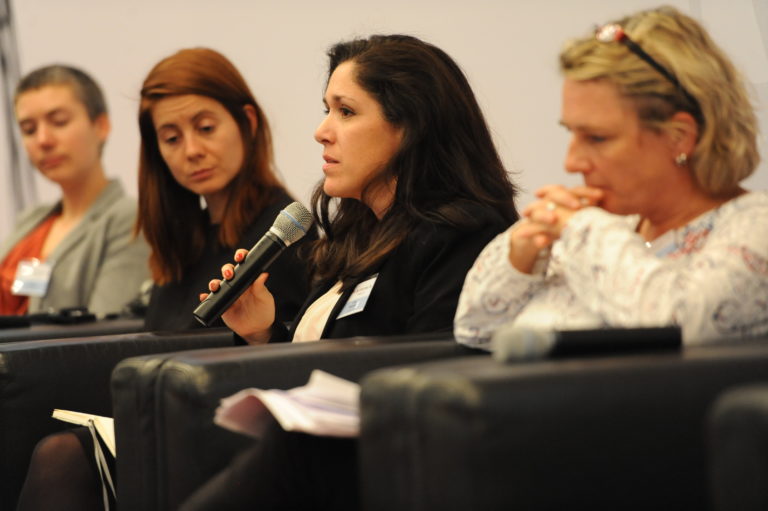
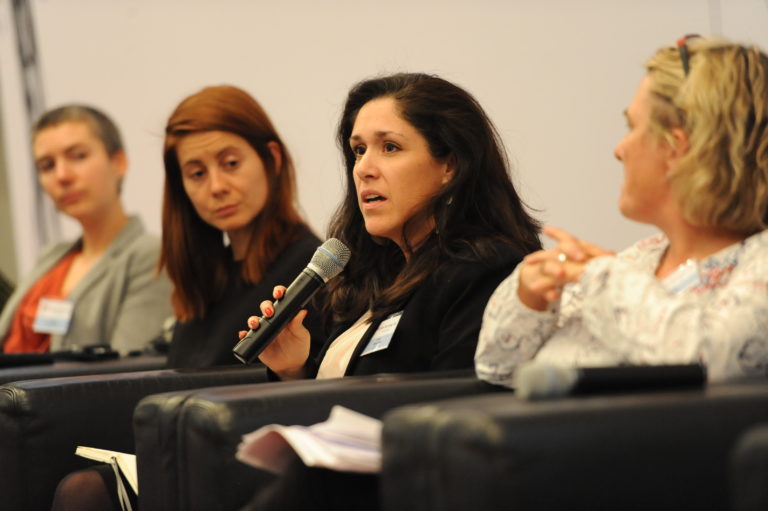
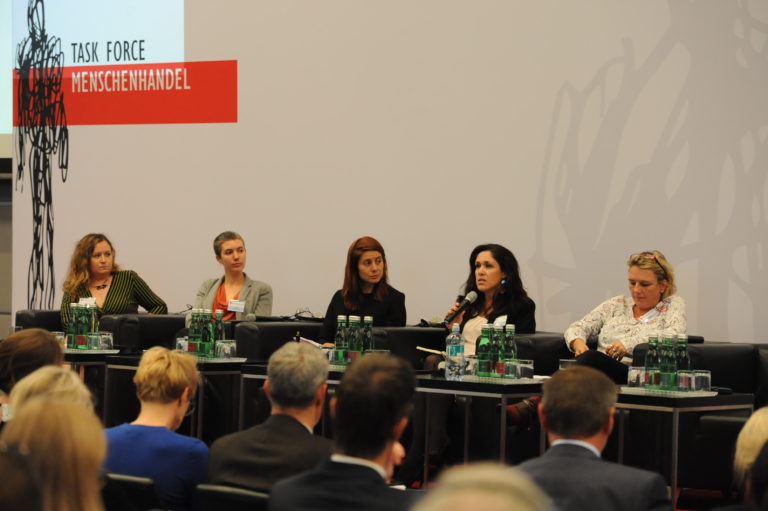
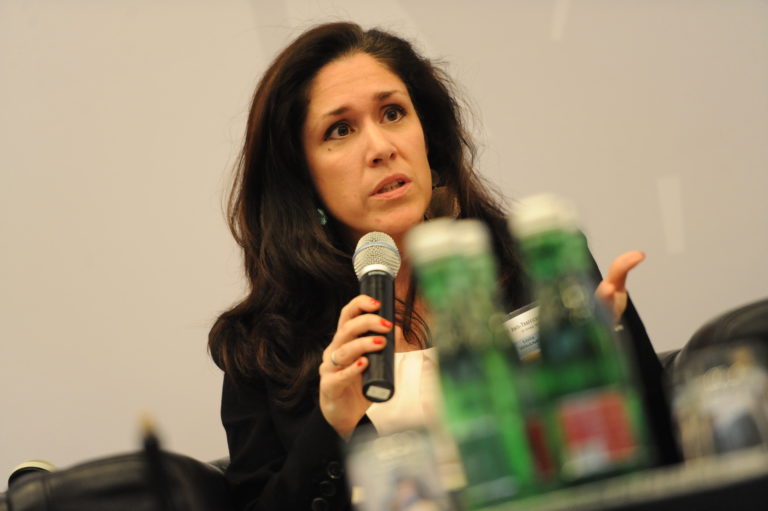
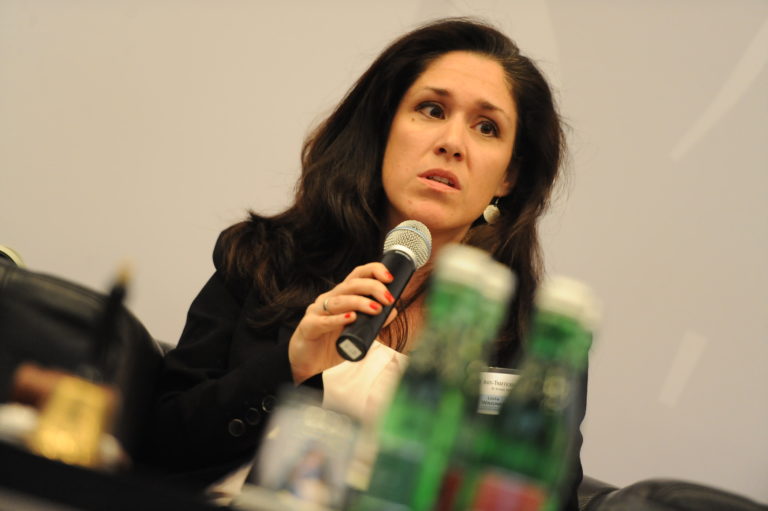
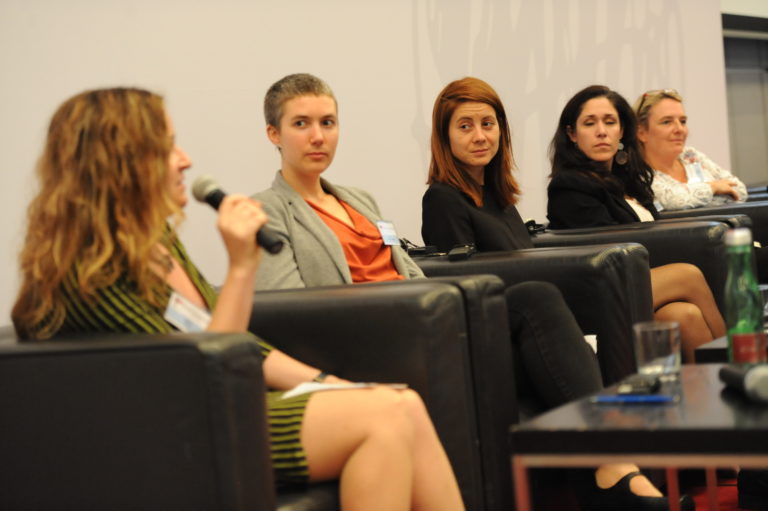
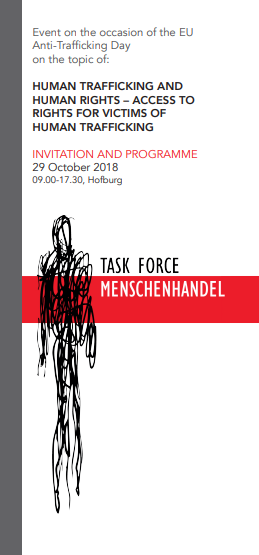
On the occasion of the EU Anti-Trafficking Day, one of the RESPECT founding organisations, the Global Initiative against Transnational Organized Crime co-organized a high-level conference on “Human Trafficking and Human Rights – Access to Rights for Victims of Human Trafficking” with the OSCE Office of the Special Representative and Co-ordinator for Combating Trafficking in Human Beings, the Austrian Task Force on Combating Human Trafficking, the Italian Chairmanship, the Vienna Institute for International Dialogue and Cooperation (VIDC), the International Organization of Migration (IOM) and the International Centre for Migration Policy Development (ICMPD).
Mark Shaw, the Global Initiative’s Director, chaired the first panel on “Access to Rights from National and International Perspectives” and Livia Wagner, our coordinator, organized the fourth workshop on “The Roles and Responsibilities of the Private Sector in the Fight against Human Trafficking“. The recordings of Panel I and concluding remarks of the workshops are available below (video credits: OSCE).
(Photos: Micky Kroell/OSCE)
EU Anti-Trafficking Day Conference Programme 2018 (German & English)DOWNLOAD
From survivors’ testimonials to those working in statutory agencies, the system response to child criminal exploitation was categorised by all participants at the roundtables as ‘inconsistent.’ Pervading both roundtables was a frustration of ...Read More
In illegal mining, there is a high incidence of human trafficking for forced labour, including a system in which debt bondage is achieved by providing workers with advances or start-up capital. Workers in the mining sector are employed under extremely...
What is the real cost of our cheap cotton clothes? Environmental Justice Foundation (EJF) exposes the devastating reality of cotton production in Uzbekistan.
The video can be accessed at the Environmental Justice Foundation (EJF) dedicated webp...Read More
The RESPECT founding organizations, Babson College’s Initiative on Human Trafficking and Modern Slavery, the Global Initiative Against Transnational Organized Crime, and the International Organization for Migration, proudly announce that we have been chosen as the Research Lead to guide the...