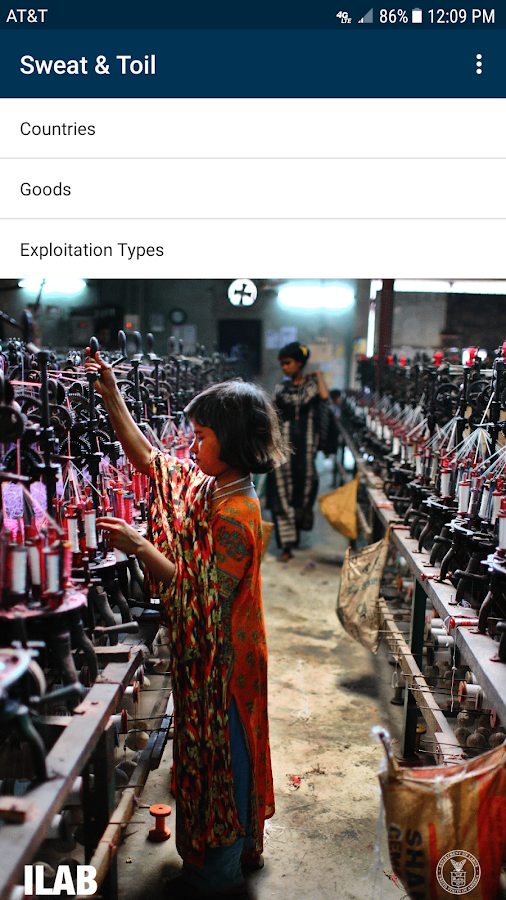
2016 estimates from the International Labor Organization indicate that there are 152 million children 5-17 years old in child labour, of which about 73 million are in hazardous labour that by its nature can have adverse effects on their health, safety, and moral development. An estimated 25 million people are trapped in forced labour, including over 4 million children.
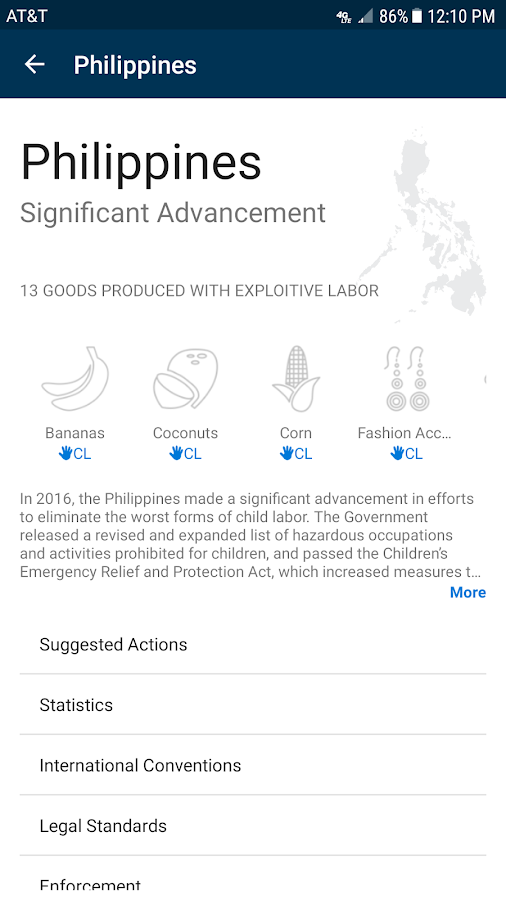
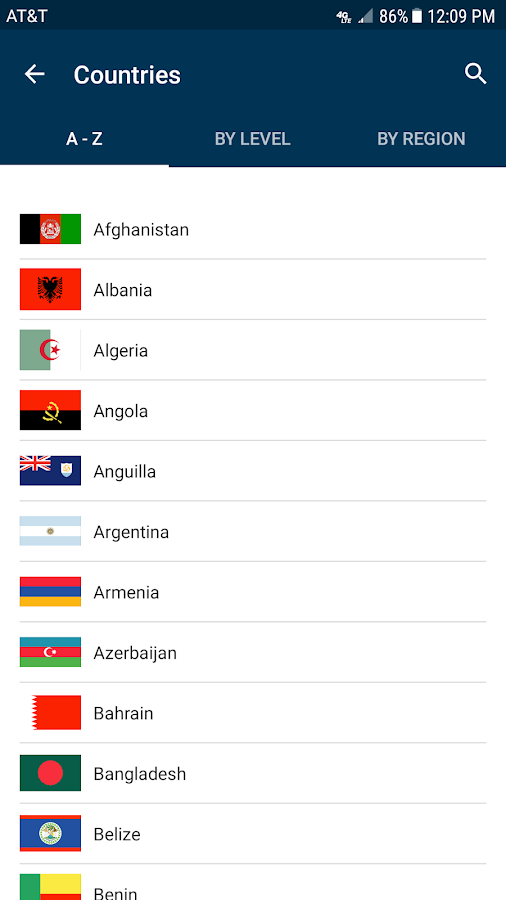
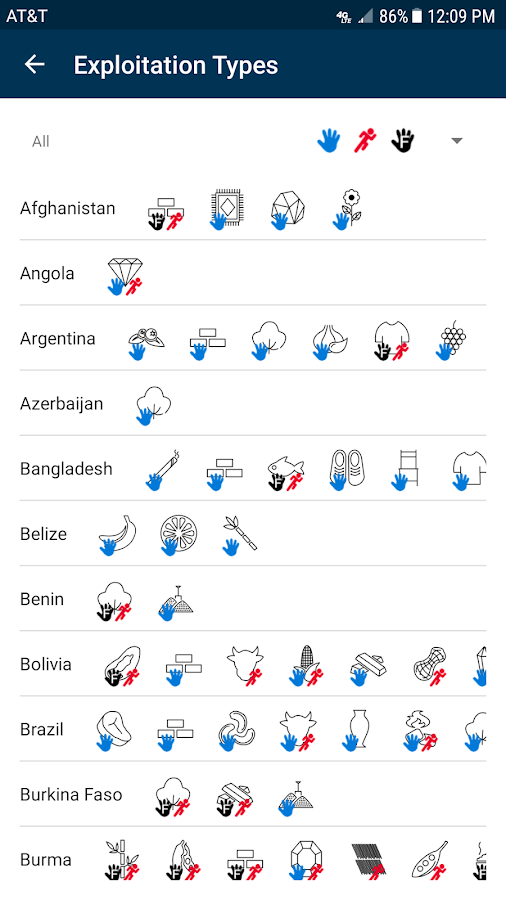
This app fits these three information-packed reports the size of a phone book in the palm of your hand. Five things you can do with this app are:
Check countries’ efforts to eliminate child labour
Find child labour data;
Browse goods produced with child labour or forced labour;
Review laws and ratifications; and
See what governments can to do end child labour.
Using this app can be a starting point to empower yourself with knowledge about child labour or forced labour around the world. Anyone with an interest in these issues – governments, businesses, academics, civil society, consumers – can use it as a source of information to begin asking questions, taking action, and demanding change.
More information on ILAB’s Child Labour, Forced Labour & Human Trafficking work can be found here.
These interactive dashboards visualize data on human and wildlife trafficking criminal activities where there was an arrest, charge or conviction, aggregating information from over 7,000 media reports on traffickers in the global criminal justice s...Read More
Watch this video to learn how the Freedom Fund’s hotspot model is empowering local frontline organisations to end modern slavery. Some of these frontline partners work directly to free victims, while others address root causes by improving educatio...Read More
The sub-Saharan region of Africa has acted as a supplier of labour and raw materials to the rest of the world for centuries, often under terms that have resulted in harm to African people and nations. Corporations and governments have a responsibili...Read More
This digital media kit is meant to provide you with the tools and information you need to reach out to and engage with your supporters about the Global Modern Slavery Directory (GMSD).
French version- Ce kit média numérique est destiné à vous...Read More