

National Human Trafficking Hotline At-A-Glance
PublicationsAn at a glance document providing information about the services of the National Human Trafficking Hotline.
TAGS:
North America
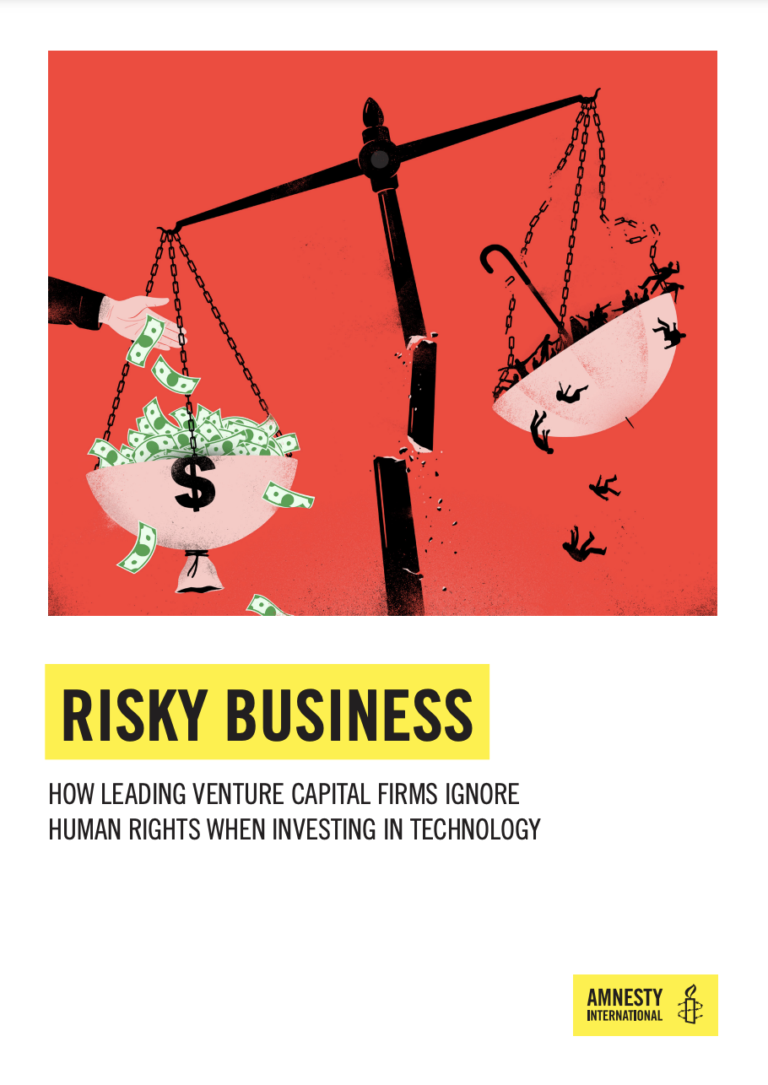
Venture capitalists shape the future of technology, and with it the future of our economies, politics, societies and fundamentally, our human rights. They decide which new technologies and technology companies will receive early-stage funding. This, in turn, helps determine which start-ups today will develop the platforms and technologies that will shape our lives tomorrow. Yet venture capitalists have consistently focused on profits at the cost of our human rights. This briefing shows how few venture capital firms conduct any form of human rights due diligence to gauge their investments’ impact. It also highlights the lack of diversity within the sector.
An at a glance document providing information about the services of the National Human Trafficking Hotline.
This project examined experiences of access to legal advice among adults with lived experience of modern slavery in the United Kingdom, as well as the impacts of a lack of access to (quality) legal advice on recovery, wellbeing and protection outcom...Read More
The data in this report represents signals and cases from January 1, 2017 through December 31, 2017 and is accurate as of July 11, 2018. Cases of trafficking may be ongoing or new information may be revealed to the National Hotline over time. Conseq...Read More
In 2016, a new study, funded by iPoint, was conducted in conjunction with Development International. 1,961 brands were evaluated against their disclosure compliance based on the law’s Risk Verification, Audit, Certification, Internal accountability...Read More


2025 © Copyright, RESPECT International. All Rights Reserved. Website Disclaimer | Privacy Policy