
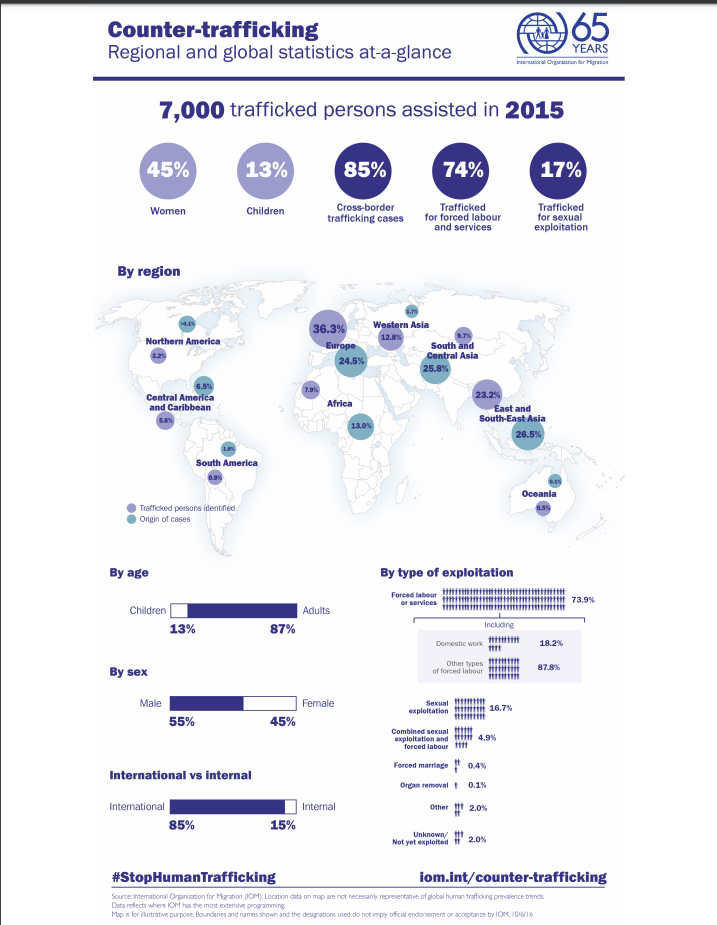
This report provides statistics and minor analysis regarding the demographics of those trafficked in 2015.

post

page

attachment

revision

nav_menu_item

custom_css

customize_changeset

oembed_cache

user_request

wp_block

wp_template

wp_template_part

wp_global_styles

wp_navigation

wp_font_family

wp_font_face

acf-taxonomy

acf-post-type

acf-field-group

acf-field

ai1ec_event

exactmetrics_note

COVID-19: How to include marginalized and vulnerable people in risk communication and community engagement
COVID-19 resourcesGuidance

Women, the elderly, adolescents, youth, and children, persons with disabilities, indigenous populations, refugees, migrants, and minorities experience the highest degree of socio-economic marginalization. Marginalized people become even more vulnera...Read More

TAGS: Global
National Hotline 2017 Kentucky State Report
Graphics & InfographicsPublications

The data in this report represents signals and cases from January 1, 2017 through December 31, 2017 and is accurate as of July 11, 2018. Cases of trafficking may be ongoing or new information may be revealed to the National Hotline over time. Conseq...Read More

Labor Inspection Training on Child Labor – Burkina Faso
Guidance

This facilitator’s guide provides tips and advice to help facilitators successfully use the curriculum for Labour Inspection Training on Child Labour in Belize. It describes the purpose and objectives of the training; provides an overview of ...Read More

TAGS: Africa
Child Labor in the Coffee Sector in Eastern Uganda
Guidance

Child labor in coffee production in Eastern Uganda is widespread. Engaged in such activities as picking and sorting berries or transporting beans and supplies, children working in Uganda’s coffee supply chain (CSC) experience risks to their safety...Read More

TAGS: Africa