

Information Brochure for Au Pairs in Austria
Guidance...Read More
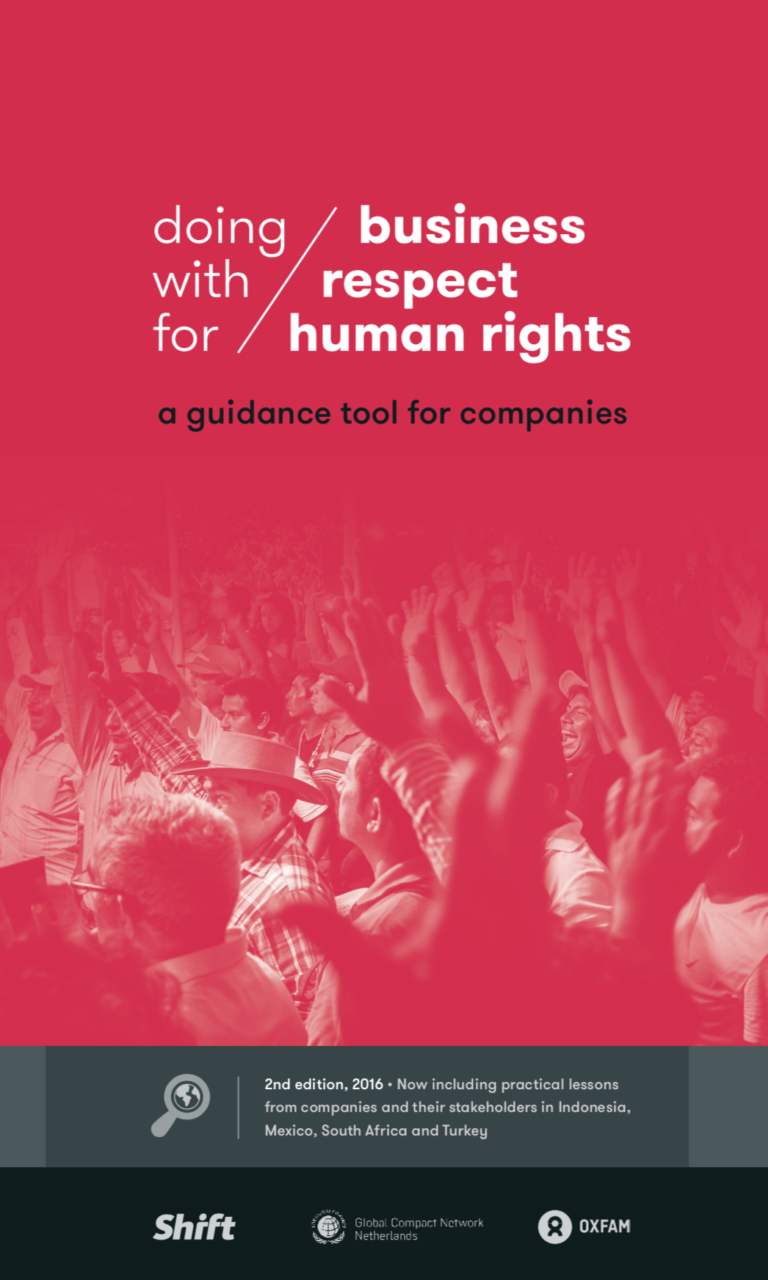
This guidance is for company staff who want to understand what “doing business with respect for human rights” means. It is for anyone who faces – or could face – scenarios in which their function, department or company could be connected to harm to people, or what this guidance calls “negative impacts on human rights”. This includes staff well beyond the sustain- ability or corporate social responsibility (CSR) function; it could include staff in corporate functions like procurement, sales, legal, public affairs or risk, and in different areas of operations, including business units and country subsidiaries.
This guidance is intended to equip individuals with practical advice, experiences and insights to get started or build on existing efforts by their company to respect human rights throughout its operations. It can’t answer every question one might have, but it should set some parameters that can help guide them on what constitutes a credible approach to preventing and addressing human rights impacts.
This document provides guidance for employment and recruitment agencies, information and communications technologies companies, and oil and gas companies for applying the UN Guiding Principles on Business and Human Rights ...Read More
Over the past several months, in Issara's ongoing engagement with brands and retailers, business associations, and environmental sustainability colleagues, Issara has been asked many times what worker voice is. It is widely observed at this point t...Read More
In July 2021, The Avery Center and the National Survivor Law Collective (NSL Collective) co-authored the first Legal Deserts Report to depict the landscape of legal services for survivors of trafficking. Specifically, The Avery Center's research tea...Read More


2025 © Copyright, RESPECT International. All Rights Reserved. Website Disclaimer | Privacy Policy