
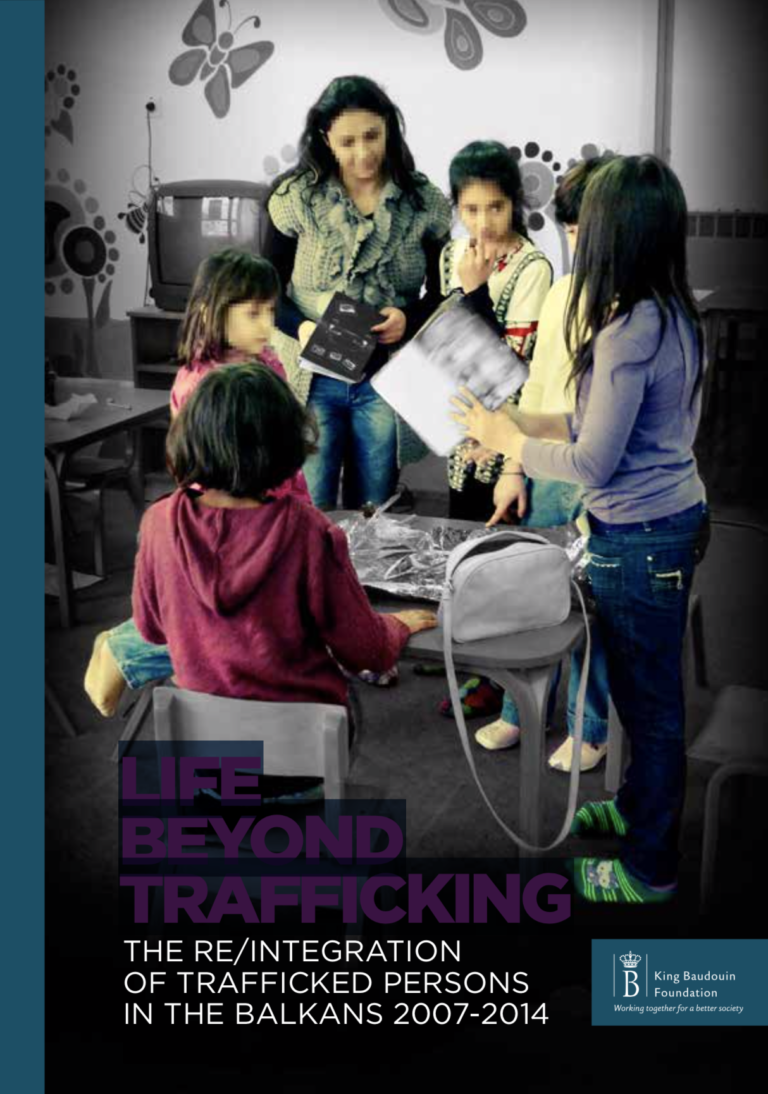
This booklet aims to highlight the main results and impact of the King Baudouin Foundation’s project “Trafficking Victims Re/integration programme” in the lives of trafficked persons as well as more generally in the field of re/integration in the Balkans. It summarises the overall assessment conducted in 2014 through interviews of beneficiaries, partner NGOs, experts and government officials as well as other sources of data.

Life Beyond Trafficking: The Re/integration of Trafficked Persons in the Balkans 2007-2014 DOWNLOAD

post

page

attachment

revision

nav_menu_item

custom_css

customize_changeset

oembed_cache

user_request

wp_block

wp_template

wp_template_part

wp_global_styles

wp_navigation

wp_font_family

wp_font_face

acf-taxonomy

acf-post-type

acf-field-group

acf-field

ai1ec_event

exactmetrics_note

National Hotline 2018 Louisiana State Report
Graphics & InfographicsPublications

The data in this report represents signals and cases from January 1, 2018 through December 31, 2018 and is accurate as of July 25, 2019. Cases of trafficking may be ongoing or new information may revealed to the National Hotline over time. Consequen...Read More

The Case for an Australian Modern Slavery Act
Publications

Australia needs a “Modern Slavery Act” that addresses three issues as a priority: Anti-Slavery Commissioner - appointment of an Anti-Slavery Commissioner to provide independent oversight, with powers to monitor laws and hold business and th...Read More

TAGS: Oceania
An Alternative Anti-Trafficking Action Plan: A Proposed Model Based on a Labor Approach to Trafficking
Publications

TraffLab’s Alternative Anti-Trafficking Action Plan (the “Alternative Plan”) provides a labor-based alternative approach to the new Israeli national plan to address human trafficking 2019-2024, published by the Ministry of Justice in January 2...Read More

How Technology Fuels Trafficking and Exploitation in Asia and the Pacific
Publications

The total number of modern slavery victims in the world today is estimated to be 40.3 million. Out of this shocking figure, more than half of the victims - at least 24.9 million - are in Asia and the Pacific. This region has the highest number of vi...Read More