
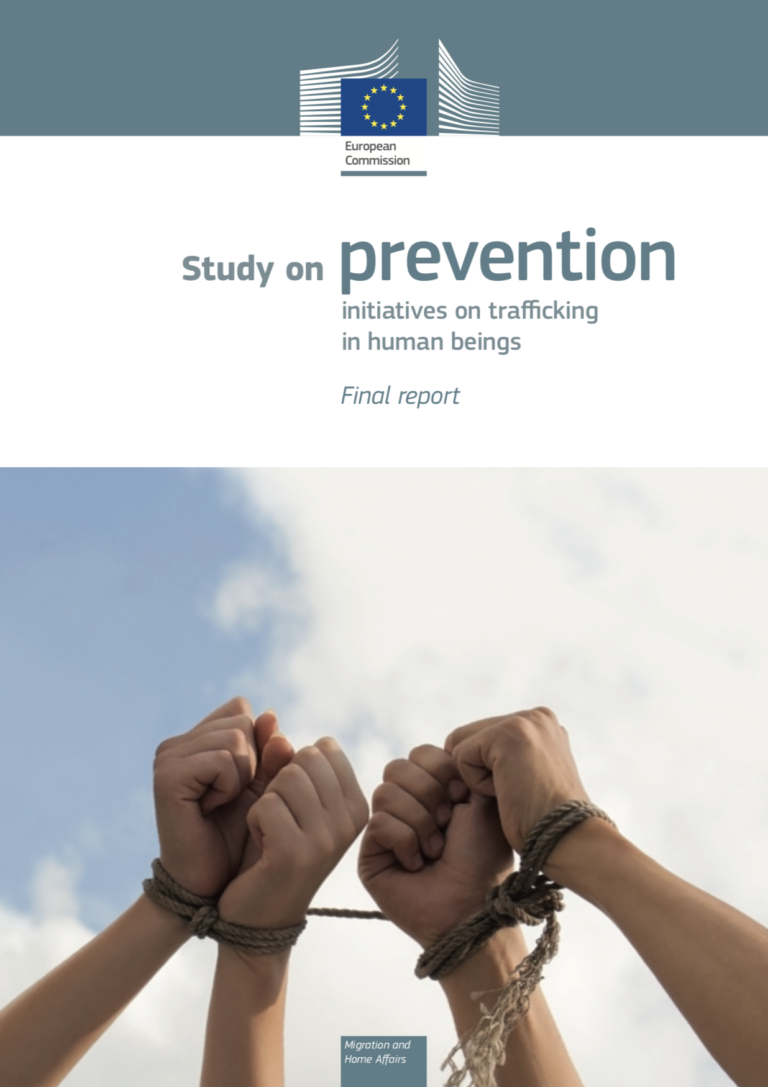
The study examined 43 prevention initiatives, of which a share of 40% concerned actions in Romania, Bulgaria and Hungary. The vast majority of the (cca 85 %) in the given sample targeted information and awareness-raising measures, followed by capacity-building and research and education programmes. Among the key findings of the study is that there is no go-standard for assessing the impact of prevention actions but rather a comprehensive and contextual approach should be followed.

Study on Prevention Initiatives on Trafficking in Human Beings DOWNLOAD

post

page

attachment

revision

nav_menu_item

custom_css

customize_changeset

oembed_cache

user_request

wp_block

wp_template

wp_template_part

wp_global_styles

wp_navigation

wp_font_family

wp_font_face

acf-taxonomy

acf-post-type

acf-field-group

acf-field

ai1ec_event

exactmetrics_note

Strengthening Protection Against Trafficking in Persons in Federal and Corporate Supply Chains
Publications

Verité has collected comprehensive data about global industries with a significant history or current evidence of human trafficking or trafficking-related activity, and has analysed the over-lap between global supply chains deemed to be at risk for ...Read More

National Hotline 2017 Arkansas State Report
Graphics & InfographicsPublications

The data in this report represents signals and cases from January 1, 2017 through December 31, 2017 and is accurate as of July 11, 2018. Cases of trafficking may be ongoing or new information may be revealed to the National Hotline over time. Conseq...Read More

A practical guide for SMEs on how to mitigate the risk of modern slavery in their operations.
GuidancePublications

This toolkit, jointly developed by STOP THE TRAFFIK and Shiva Foundation, seeks to provide practical guidance for small and medium-sized enterprises (SMEs) on how they can prevent modern slavery in their business operations. We recognise that many u...Read More

TAGS: Europe
Financial Exploitation:Collecting Meaningful Data
GuidancePublications

The vast majority of modern slavery and human trafficking cases involve interaction with finance in some form. In many cases, traffickers exploit their victims financially, taking control of their bank accounts, confiscating wages, and using debt as...Read More